
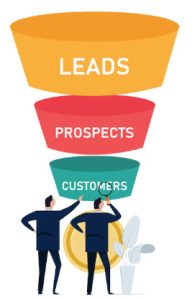
 A marketing funnel serves as a roadmap for guiding potential customers from initial awareness to making a purchase. It’s about understanding the customer journey and mapping out each step they take along the way.
At its core, the funnel helps businesses identify where prospects are in their decision-making process. This clarity allows marketers to tailor messages that resonate at every stage, which is a vital function of marketing funnels in business strategy.
By creating targeted strategies, brands can nurture leads effectively. The goal is not just conversion but building lasting relationships with consumers who trust your brand; marketing funnels make this process smoother.
It streamlines marketing efforts while maximizing return on investment. A focused approach ensures resources are allocated efficiently across different channels like press release marketing or PR distribution, thanks to marketing funnels guiding these choices.
Awareness
Awareness is the first stage. It’s all about getting noticed. Businesses need to create visibility for their brand, products, or services, often using techniques that align.
At this point, potential customers might not know who you are. This is where effective press release marketing comes into play. A well-crafted press release can capture attention and spark interest, fueling the top of your marketing funnel.
Social media platforms are also crucial in building awareness. You can share engaging content that resonates with your target audience. Eye-catching visuals and compelling messages go a long way when integrated within marketing funnels strategies.
Interest
Once you’ve captured attention, it’s time to nurture that interest. At this stage, potential customers are curious about what you offer. They want more than just surface-level information; they seek value, which is explored further in well-structured marketing funnels.
Provide engaging content that highlights your product’s benefits and addresses their pain points. This could be informative blog posts, eBooks, or videos that showcase practical applications, all serving as touchpoints in your marketing funnel.
Utilize email marketing to share personalized messages tailored to specific interests. A well-crafted newsletter can deepen engagement and keep your brand top of mind as part of your overall marketing funnel approach.
Social media platforms also play a crucial role here. Share testimonials or case studies that resonate with your audience’s needs. Encourage interactions through polls or questions to foster community involvement.
This is where the magic happens – transforming curiosity into genuine interest requires thoughtful communication and consistent touchpoints throughout their journey following the steps outlined in effective marketing funnels.
Decision
The Decision stage is where potential customers weigh their options. They’ve done their research and are now evaluating your product or service against competitors. This moment is crucial; you want to make it easy for them to choose you.
Here, providing detailed information is essential. Clear comparisons, testimonials, and case studies can be powerful tools. Highlight the unique benefits of what you’re offering through tailored marketing funnels strategies.
Using persuasive content like webinars or free trials can also tip the scales in your favor. These tactics give prospects a taste of what they’ll experience if they commit, as guided by your marketing funnel design.
Remember that this phase often involves objections and hesitations. Address these openly through FAQs or informative blog posts to reassure potential buyers; it’s an important tactic within marketing funnels.
Action
The Action stage is where your prospects become customers. It’s the moment of truth, and you need to make it seamless. At this point, clear calls-to-action are vital. Whether it’s signing up for a newsletter or completing a purchase, every detail matters. Highlight benefits that reinforce their decision, just as successful marketing funnels encourage.
User experience plays a crucial role here. Ensure your website is easy to navigate with minimal friction during checkout or sign-up processes. Leverage urgency when appropriate – limited-time offers can motivate quick decisions, an effective technique in marketing funnels.
Offering exclusive deals for future purchases can keep them engaged long after their initial action has been taken. Remember, turning leads into loyal clients requires more than just one transaction; it’s about creating an ongoing relationship that lasts well beyond the first sale, as outlined in successful marketing funnels planning.
Tactics for Each Stage of the Marketing Funnel:
At the awareness stage, content marketing reigns supreme. Create engaging blog posts and infographics that captivate your target audience. Utilize SEO strategies to ensure your content is easily discoverable online.
Moving on to interest, email marketing becomes crucial. Craft personalized emails that highlight the benefits of your offerings. Use compelling subject lines to boost open rates and entice readers.
When potential customers reach the decision stage, social media advertising can be a game-changer. Target specific demographics with tailored ads showcasing testimonials or case studies that build trust and credibility inside your marketing funnel framework.
Influencer partnerships can drive action effectively. Collaborate with influencers who resonate with your brand values. Their endorsement not only enhances visibility but also encourages followers to take immediate steps toward purchasing or signing up for services like PR distribution through platforms such as RPR Comando. These approaches can be mapped to various stages in your marketing funnels.
Content Marketing For The Marketing Funnels
Content marketing plays a pivotal role at the top of your marketing funnel. It’s all about creating valuable content that captures attention and builds trust – these are fundamental tasks in building robust marketing funnels.
Think blogs, videos, infographics, or podcasts – each piece serves to educate and engage potential customers. When done right, it can position your brand as an authority in its niche; this authority strengthens your marketing funnels strategy.
Social Media Advertising
Social media advertising is a powerful tool. It allows brands to reach potential customers where they spend significant amounts of time: on their devices, thereby supporting marketing funnels objectives.
Platforms like Facebook, Instagram, and Twitter offer targeted ad options that can hone in on specific demographics. This precision increases the likelihood of capturing interest during the awareness stage.
Influencer Partnerships
Influencer partnerships can be a game-changer. They offer genuine connections with potential customers who trust the influencer’s recommendations. This trust translates into interest and engagement, making it easier to guide prospects through well-crafted marketing funnels.
Common Pitfalls to Avoid in Your Marketing Funnel
One of the biggest mistakes is not targeting the right audience. Casting a wide net can lead to wasted resources and low engagement. Focus on understanding your ideal customers instead; smart marketing funnels always narrow the audience precisely.
Another common pitfall is a lack of consistency and follow-up. A single touchpoint is rarely enough to drive conversions. Consistent communication keeps prospects engaged, reminding them why they were interested in the first place, as marketing funnels strategies recommend.
Final Thoughts
As you refine your approach using these insights, you’ll be better equipped to drive conversions effectively while maximizing ROI from PR distribution efforts and book marketing initiatives like RPR Comando. Embrace this dynamic process; it can lead to sustained growth for your brand, thanks to well-built marketing funnels.