
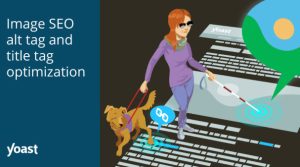
 Image Alt Tags Optimized are essential for modern websites. They improve visual appeal, enhance storytelling, and help break up text to create a better reading experience. However, images can also affect search engine rankings, accessibility, and page performance if they are not optimized correctly. One of the most overlooked aspects of image optimization is the proper use of alt tags. Image Alt Tags Optimized improve accessibility, strengthen search engine optimization, and contribute to overall site performance when used correctly. For best results, it is important to have Image Alt Tags Optimized for all website images.
Many websites upload images without descriptive alt text or rely on automatically generated filenames. This approach wastes an important opportunity to improve visibility and usability. Understanding how alt tags work and how they influence performance is an important step toward creating a more effective and search-friendly website. Moreover, having Image Alt Tags Optimized improves the value these images provide for SEO.
What Image Alt Tags Optimized Are and Why They Matter
An alt tag, also known as alternative text, is a short description added to an image’s HTML code. The purpose of this description is to explain the image’s content when the image itself cannot be displayed or when a visitor uses a screen reader.
Alt text plays a critical role in web accessibility. People who rely on assistive technologies cannot see images directly, so screen readers use alt text to describe the visual content. Without alt tags, users with visual impairments miss important information that may be part of the page.
Search engines also rely on alt tags to better understand images. While search algorithms have become more sophisticated at recognizing visual content, they still depend heavily on text signals to interpret images accurately. Properly written alt text helps search engines index images and associate them with relevant keywords.
As a result, Image Alt Tags Optimized can improve visibility in image search results and reinforce the overall topic relevance of a webpage.
How Image Alt Tags Optimized Support SEO and Search Visibility
Search engine optimization relies on clear signals that help search engines understand page content. Images are valuable content assets, but without proper descriptions they contribute very little to SEO.
Alt tags provide additional context that connects images to the surrounding text and keywords on a page. When alt text naturally includes relevant search terms, it reinforces topical authority and improves the likelihood that images will appear in image search results.
Image search traffic can be significant, especially for industries such as publishing, e-commerce, travel, and education. When images rank well in search results, they drive additional visitors to the page. Having Image Alt Tags Optimized makes this result much more likely.
Another benefit of optimized alt tags is improved content relevance. Search engines analyze multiple signals on a page to determine what the content is about. Alt text contributes to that understanding by confirming the theme of the article or webpage.
However, alt tags should always be written for humans first. Overloading alt text with keywords can appear spammy and may harm search performance rather than improve it. To clarify, Image Alt Tags Optimized should be helpful and descriptive.
Writing Effective Alt Text for Images
Creating effective alt text requires balance. The goal is to describe the image clearly while keeping the description concise and meaningful.
Alt text should reflect what the image actually shows and how it relates to the surrounding content. For example, if an image illustrates a concept discussed in an article, the alt text should reference that concept rather than simply describing the visual elements.
Clarity is more important than length. Most alt tags perform best when they remain under approximately 125 characters. This keeps descriptions readable for screen readers and avoids unnecessary verbosity.
Context also matters. If an image supports a specific section of an article, the alt text should reflect that topic. This alignment helps both users and search engines understand the relationship between the image and the written content.
Avoid generic phrases such as “image of” or “picture of.” Screen readers already announce that the element is an image, so these words provide no additional value.
The Connection Between Image Optimization and Website Performance
Image Alt Tags Optimized contribute to performance in indirect but meaningful ways. While alt text itself does not affect page speed, it plays a role in the broader strategy of image optimization and user experience.
Search engines increasingly evaluate websites based on overall performance signals such as page speed, accessibility, and usability. Pages that load quickly and serve content effectively are more likely to rank well in search results.
Images are often the largest files on a webpage. When they are not optimized, they can slow loading times and harm user experience. Combining descriptive alt text with proper image compression, responsive sizing, and efficient file formats ensures that images contribute positively to performance rather than detract from it.
Image Alt Tags Optimized also improve engagement. When users can understand the purpose of an image through alt text and see it displayed clearly on any device, they are more likely to stay on the page longer and interact with the content.
Common Image Alt Tags Optimized Mistakes to Avoid
One of the most common mistakes is leaving alt tags blank when images convey important information. This prevents screen readers from providing meaningful descriptions.
Another mistake is stuffing alt text with keywords in an attempt to manipulate search rankings. Overly repetitive or unnatural phrasing reduces readability and may be interpreted as spam by search engines.
Using file names as alt text is also ineffective. A label such as “IMG_4837.jpg” offers no useful description for users or search engines. Short, clear descriptions are usually the most effective approach.
The Future of Image Optimization and SEO
Optimizing images with descriptive alt text strengthens accessibility, reinforces SEO relevance, and contributes to a better overall user experience. Websites that invest in thoughtful image optimization are better positioned to perform well in both traditional search results and image search platforms.
Ultimately, optimized alt tags represent a simple yet powerful improvement that benefits users, search engines, and website performance at the same time. By taking the time to write clear and meaningful alt text, website owners can ensure that every image supports their broader content and SEO strategy. In summary, keeping Image Alt Tags Optimized should be a key priority for any website owner.