
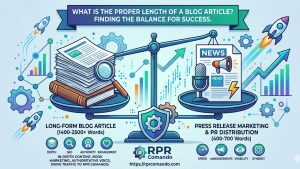
 In the rapidly evolving world of digital marketing, one question consistently surfaces for creators: what is the Ideal Blog Post Length? While historical advice often suggested short, 300-word updates, modern search engines and reader behaviors have shifted the goalposts significantly. Finding the right balance between being comprehensive enough to rank on Google and concise enough to keep a reader’s attention is a critical skill for any content strategist.
Understanding the Sweet Spot for Search Engines
For those prioritizing search engine optimization, industry data from sources suggests that the “sweet spot” for ranking often falls between 1,500 and 2,500 words. This length allows for the depth required to demonstrate expertise, authoritativeness, and trustworthiness – factors Google values highly. According to research cited by Automateed, long-form content over 2,000 words is four times more likely to succeed in SEO rankings and engagement because it naturally incorporates a wider variety of relevant keywords and satisfies complex user intent.
Balancing Reader Engagement with Depth and The Ideal Blog Post Length
While search engines may favor longer articles, human readers often have different preferences. Data from HubSpot and other marketing platforms indicates that roughly 75% of readers actually prefer posts under 1,000 words. This discrepancy creates a challenge: how to write enough to rank without losing the audience. To manage this, writers should focus on high-quality content that avoids “fluff” and uses clear structures to guide the reader through the information. A 900-word post, for instance, serves as an excellent middle ground for informational topics that require more than a basic overview but don’t need a massive “ultimate guide” treatment.
Utilizing PR Distribution and Press Release Marketing
When your goal is broader visibility, integrating your blog strategy with press release marketing can amplify your reach. A well-timed press release can drive initial traffic to a new, high-value blog post, signaling to search engines that the content is newsworthy and relevant. Professional PR Distribution ensures that your insights reach journalists and industry influencers who can provide high-authority backlinks. This synergy between blogging and public relations is essential for competitive niches where simply publishing a post is not enough to gain traction.
The Role of Niche Strategies like Book Marketing
Specialized fields such as Book Marketing often require a specific approach to content length. Authors and publishers may use medium-length blog posts to provide “behind-the-scenes” looks, chapter excerpts, or expert commentary that builds a connection with the reader. These posts are typically around 800 to 1,200 words, allowing for enough narrative flow to be engaging without becoming a burden to read. By consistently providing value in this range, authors can establish themselves as thought leaders while keeping their promotional efforts subtle and effective.
Strategic Implementation with RPR Comando
For businesses looking to maximize their content’s impact, platforms like RPR Comando offer specialized tools and strategies to streamline the distribution and marketing process. Whether you are looking to improve your site’s SEO or launch a comprehensive campaign, having a centralized strategy for your content is vital. By leveraging the right technology and distribution networks, you can ensure that every blog post – regardless of its length – is seen by the right eyes at the right time.
Measuring Success Beyond Word Count and The Ideal Blog Post Length
Ultimately, the proper length of a blog post is “as long as it needs to be” to fully answer the reader’s question. As noted by Semrush, word count is a benchmark, but quality and relevance are the true masters. Instead of chasing a specific number, creators should monitor metrics such as “dwell time” (how long someone stays on the page) and social shares. If a post is 900 words but keeps a reader engaged for five minutes and prompts a share, it has achieved its goal more effectively than a 3,000-word piece that a visitor abandons after 30 seconds.
Final Thoughts About The Ideal Blog Post Length
In conclusion, the ideal length for a blog post varies by its objective. If you want to rank for competitive terms, aim for the 1,500 to 2,500-word range. For news, quick tips, or engagement-focused pieces, 500 to 1,000 words is often sufficient. Regardless of length, focus on providing unique insights and a clear structure. By combining these content principles with professional PR Distribution and services like RPR Comando, you can build a robust digital presence that serves both search engines and your human audience.